If you look around your garage or your backyard, you might notice things are getting a little crowded. Maybe the lawnmower is squeezed against the bikes, or your holiday decorations are piling up in a corner.
When homeowners realize they need more room, they often start searching for “storage buildings near me” to find a solution.
While sheds come in all shapes and sizes, there is one specific size that experts often call the “sweet spot”: the 12×12 shed.
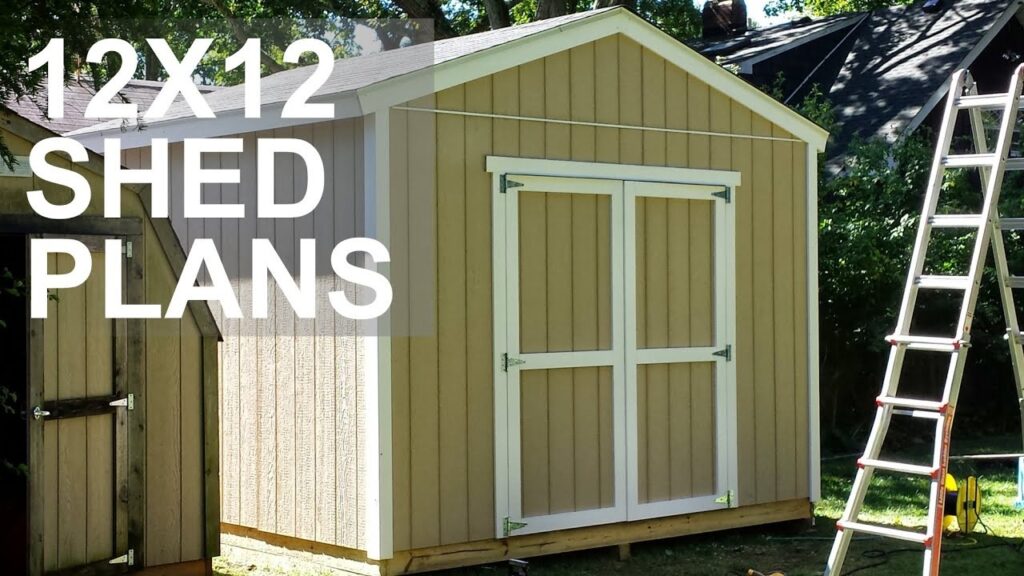
A 12-foot by 12-foot building offers 144 square feet of floor space. For many people, this is the perfect balance between having enough room to work and not taking up too much of the backyard.
In this guide, we will explore why the 12×12 footprint is so popular, what you can fit inside, and how to navigate the rules of building one in a place like Texas.
The Magic of the 144 Square Foot Rule
When you decide to add a building to your property, you aren’t just buying wood and nails; you are also dealing with local laws. Most cities have “zoning laws” or “building codes.” These are rules that tell you how big a building can be before you need a special permit.
In many areas, any structure under 150 square feet is considered a “minor” addition. This means you might not need a complicated building permit to put it up. Since a 12×12 shed is exactly 144 square feet, it fits perfectly under that limit. This saves you money on permit fees and saves you the headache of waiting for the city to approve your paperwork.
What Can You Actually Fit in a 12×12 Shed?
It can be hard to visualize how much space 144 square feet really is. To give you an idea, a standard parking space for a car is usually around 160 square feet. So, a 12×12 shed is slightly smaller than a parking spot, but because it has high walls, you can use the vertical space to store even more.
1. The Garden Enthusiast’s Setup
If you love gardening, a 12×12 shed is a dream. You can fit a riding lawnmower, a push mower, several bags of mulch, and all your shovels and rakes. If you add a workbench along one wall, you have a dedicated place to pot plants without getting dirt all over your porch.
2. The Workshop and Hobby Space
For those who like to build things, this size is perfect for a small woodshop. You can fit a table saw, a miter saw station, and a cabinet for your hand tools. Because the room is square, it is easy to move around the center of the floor, which is important when you are handling long pieces of lumber.
3. The “She-Shed” or “Man Cave”
Many people are turning sheds into finished rooms. A 12×12 space is large enough for a comfortable sofa, a small desk, and a TV. It is the perfect size for a home office that is separate from the noise of the main house.
Why Quality Estimates Matter Before You Build
Before you go out and buy wood, you need to know what the project will cost. Building a shed from scratch is often better than buying a cheap plastic one because a wooden shed will last decades if it is built right. However, prices for lumber, roofing shingles, and concrete can change every week.
If you are curious about the budget, looking at a guide for storage buildings near me is a great way to see a breakdown of material costs.
This helps you decide if you want to use high-end cedar siding or more affordable plywood. Knowing the cost upfront means you won’t have to stop halfway through because you ran out of money.
The Challenges of Building in Texas
If you live in Houston or the surrounding areas, building a shed comes with a unique set of challenges. You can’t just put a shed on the grass and hope for the best.
1. Foundation and Flooding
In Houston, we deal with heavy rain and soft, clay-filled soil. If your shed doesn’t have a solid foundation like a concrete slab or treated wooden beams on leveled blocks it will eventually sink or tilt. A tilted shed is dangerous because the door might get stuck shut, or the walls might start to crack.
2. Humidity and Rot
The Gulf Coast is very humid. This moisture in the air loves to eat away at untreated wood.
When building a 12×12 shed here, you must use “pressure-treated” lumber for any part of the building that touches the ground. You also need to make sure the shed has good vents so air can flow through, keeping the inside dry.
3. Wind Loads
Because Texas gets high winds and occasional hurricanes, your shed needs to be anchored to the ground. You don’t want your new storage building to become a flying object during a summer storm!
For homeowners or contractors who are planning larger backyard projects like a shed with electricity, plumbing, or even a small guest house it is smart to use Houston construction estimating services.
These professionals understand the local costs for labor in Texas and can help you navigate the specific building codes for the City of Houston. They ensure that your “small project” doesn’t turn into a “big legal problem” with the city inspectors.
Designing Your 12×12 Shed for Success
Since you have a square footprint, you want to be smart about the layout. Here are a few tips to make the most of the 144 square feet:
- Use the Walls: Install pegboards or slat walls. Hanging your tools up high keeps the floor clear so you can actually walk inside.
- Add Windows: A shed without windows feels like a dark box. Even one or two small windows will bring in natural light and make the space feel much larger.
- Double Doors: If you plan on storing a riding mower or a wide ATV, make sure you install double doors. A standard 36-inch door is often too narrow for large equipment.
- Loft Storage: If your shed has a peaked roof (an A-frame), you can build a small “loft” area near the ceiling. This is the perfect spot to store seasonal items like Christmas lights or camping gear that you only need once a year.
Summary: Is the 12×12 Right for You?
Choosing a shed size is all about finding the right fit for your property. A 10×10 shed is often a bit too cramped once you put a mower inside. A 16×20 shed is amazing, but it might take up your entire backyard and require expensive permits and inspections.
The 12×12 shed is the “Goldilocks” of backyard buildings. It’s just right. It provides enough room for a serious hobby or heavy-duty storage, yet it remains small enough to be manageable for a DIY project or a quick professional build.
By taking the time to look at costs and understanding the local Texas environment, you can build a structure that doesn’t just hold your “stuff” it adds real value to your home. Whether you want a quiet place to work, a spot to keep your tools organized, or a backyard retreat, the 12×12 footprint is a perfect place to start.